Our Vision
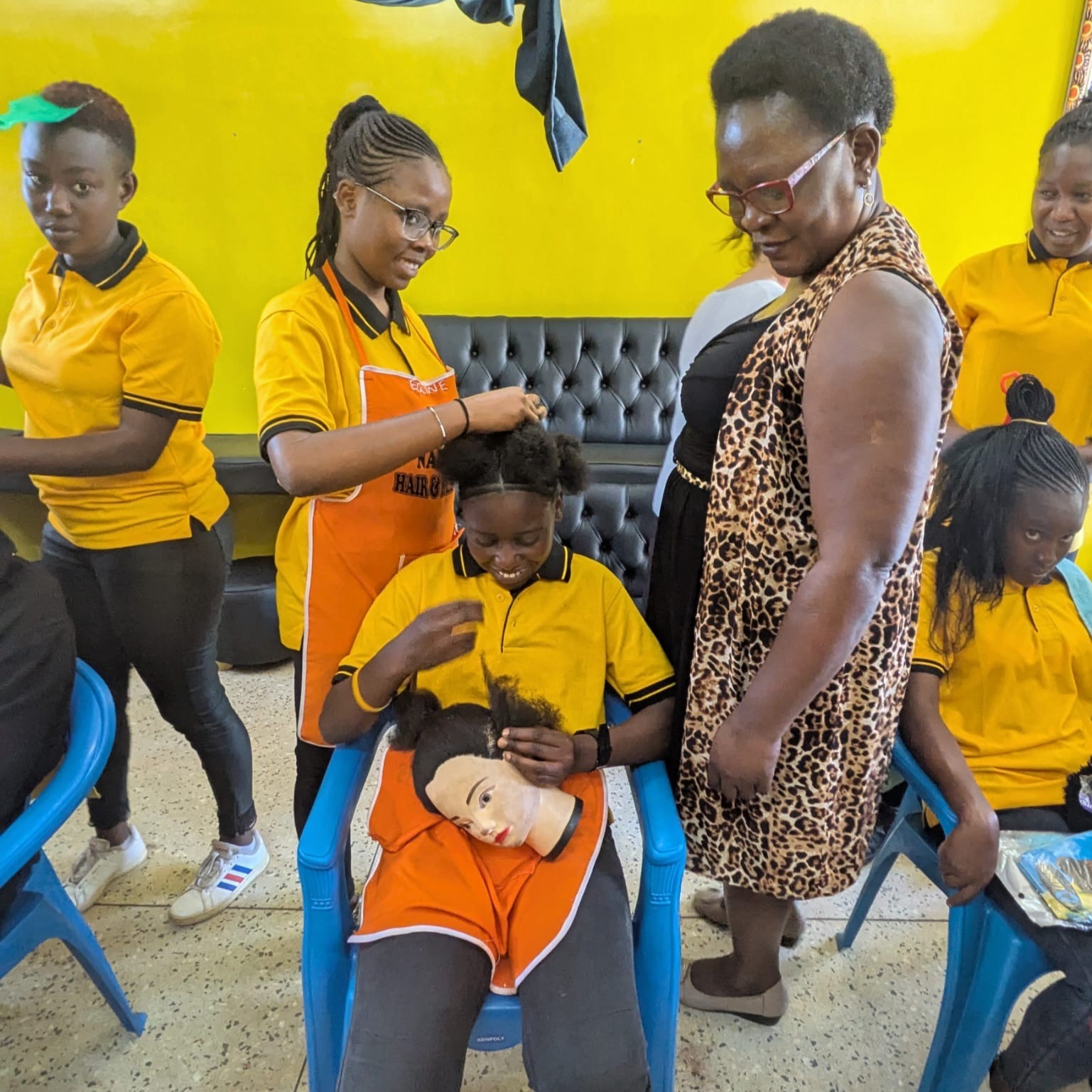
Our vision is for all children and young people to be able to create safe, rewarding futures for themselves, free from poverty and exploitation.
Our Mission
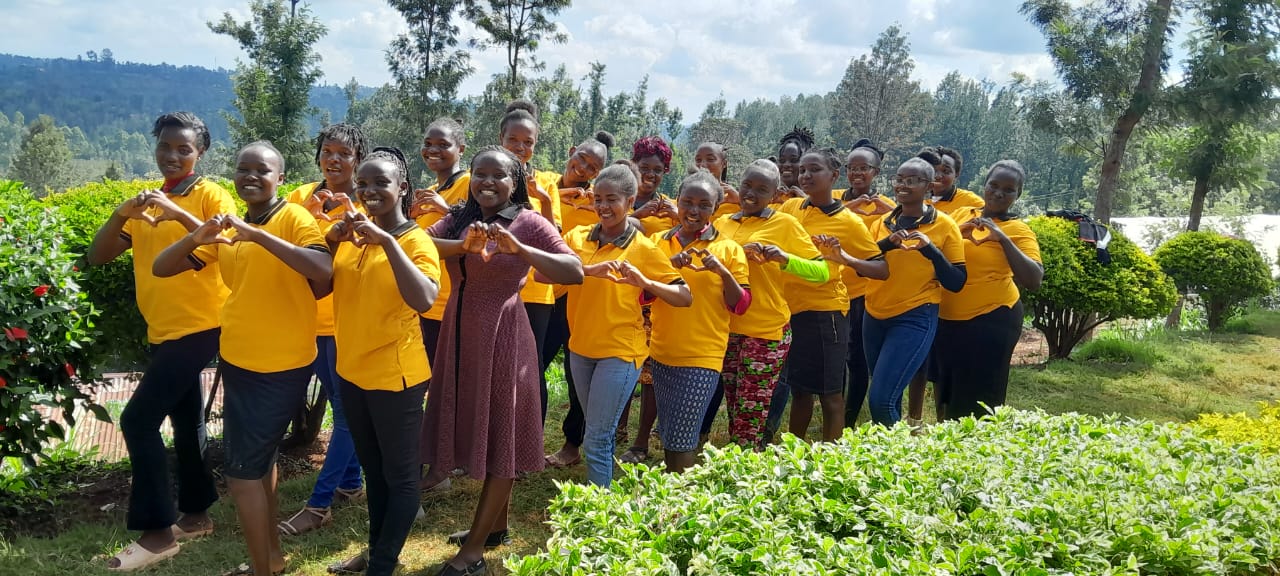
Our mission is to support children and young people in Kenya to break cycles of poverty and inequality through skills training for employment and entrepreneurship.
Our Values and Approach
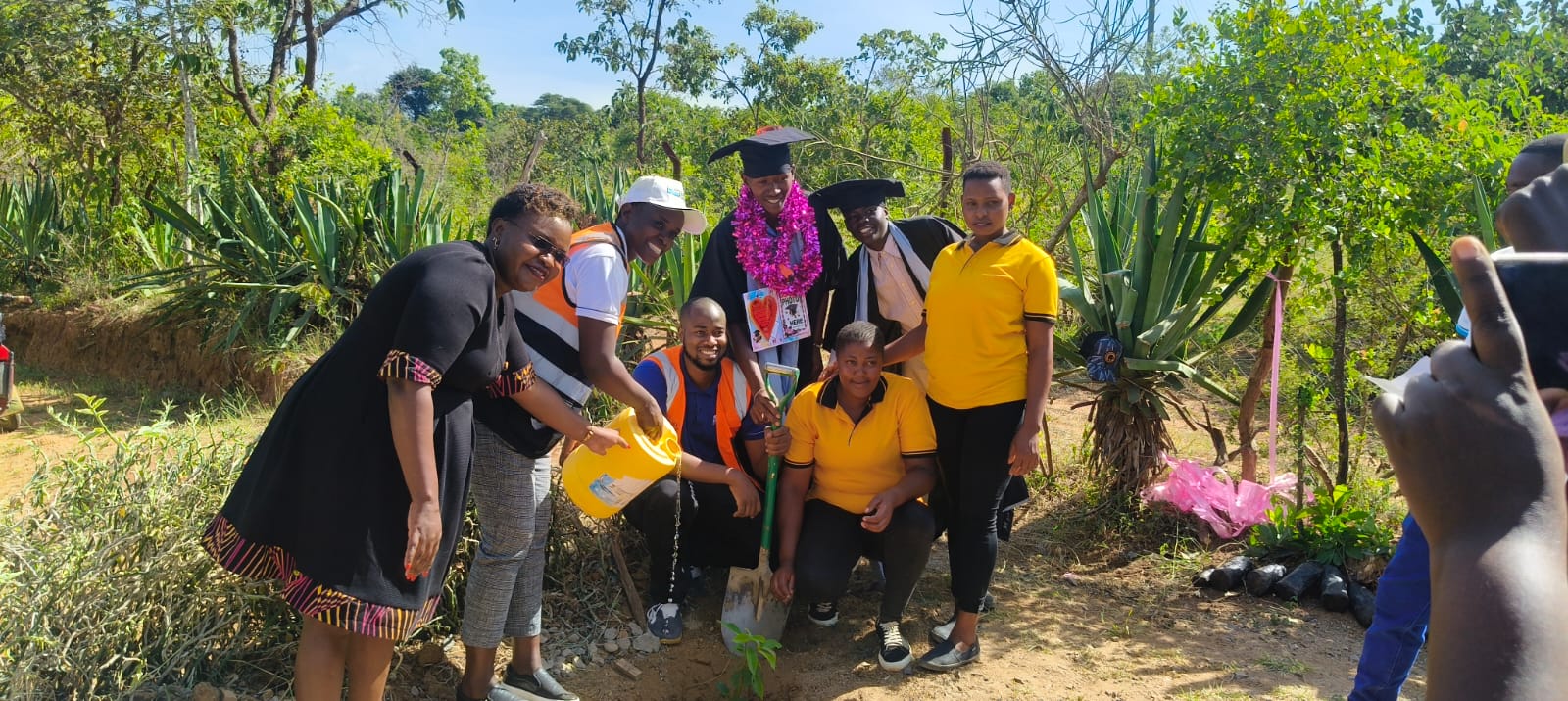
Our lived values are woven into everything we do as an organisation, from the programmes we support to how we treat staff, volunteers and anyone who comes into contact with our charity.
People-Centred
Our organisational culture centres the importance of wellbeing, lived experience and ability to thrive, for all students, staff and anyone working with Raising Futures Kenya.
We evidence this with our staff by:
- Giving employees 3 days of Wellbeing Leave per year (separate from Sick Leave), so they can plan in or spontaneously take time off for rest or self-care.
- Flexible working options so employees can make work fit around their lives and caring responsibilities.
- Having inclusive recruitment practices such as providing the interview questions ahead of time, not asking for reasons behind gaps in CVs, not demanding a degree, and posting jobs with the best salary we can offer rather than a salary range, so candidates are clear on what salary they will receive from the outset.

We evidence this with Seed of Hope students by:
- Asking for consent to use photos, quotes and stories in marketing and communications, including a timeframe for use. Only using photos and stories that show Seed of Hope students in their power – young people in Kenya need opportunities, not ‘saving’.
- Providing free lunches, period packs, child care vouchers and travel expenses support, so there is nothing standing in the way of a young person attending their classes.
- Providing group and one-to-one counselling and wellbeing sessions, so no young person faces trauma alone.

Collaborative
We listen actively, reflect on our own actions, admit to failure, look for opportunities to learn, to act, to be better. We’re happy to share with and learn from individuals and organisations in our work to create the biggest impact.
We evidence this by:
- How we work with our Kenyan-led partner NGO Growing Seeds. They are the ‘architects’ and experts behind Seed of Hope, with whom we work to create the best, community-led outcomes for young people in Kenya.
- Our partner NGO delivers training on the Seed of Hope TVET model to other educational and vocational training institutions across Kenya, so they can learn from our evidence-based model.
- Working with organisations such as Pestalozzi International UK and One World Together, to share expertise and best practice.
Bold
We set ambitious targets both within our programmes and for advocating for change within the sector. We strive for meaningful impact, not just good intentions. We are not afraid to speak out and make bold changes.
We evidence this by:
- Writing into our Strategic Plan our commitment to ‘shifting power’ back to Kenya. Our ultimate goal will always be for our UK team to not need to exist.
- Challenging funders to direct their grants directly to our Kenyan partner NGO, cutting us out as the ‘middle-man’, as part of our commitment to working towards truly anti-colonial Third Sector. The biggest grant our charity has ever secured in its history is sent directly to our partner in Kenya.
- Talking directly about the challenges faced by the young people we work with, including gender-based violence.

Every young person deserves the opportunity to build a self-reliant, bright, future.
Position Statments
How we work
How are we Shifting the Power?
At Raising Futures Kenya, #ShiftThePower is at the heart of everything we do, reflecting our commitment to moving away from outdated models where Western donors or volunteers hold the reins, and instead centring Kenyan communities, families, and leaders as the true drivers of change. We’ve learned that real, lasting impact comes from listening to and investing in local expertise – whether through community-led education programmes, sustainable livelihoods, or hiring Kenyan professionals—rather than imposing external “solutions” that can create dependency or overlook cultural realities. By prioritising equity, inclusivity, and empowerment, we ensure resources flow directly to those who know their needs best, building a brighter future where Kenyan voices lead the way.
Show the Salary/ Mind the gap
We are committed to fair and inclusive recruitment practices that give every candidate an equal opportunity to succeed. We share interview questions in advance to support thoughtful preparation and reduce bias, and we don’t ask applicants to explain gaps in their CVs. We recognize that valuable skills and experience come in many forms, so we do not require formal degrees for our roles. To promote transparency and trust, we also publish the exact salary for each position rather than a range, ensuring candidates know from the start what we can offer and helping to close pay gaps and create a more level playing field. Wherever possible, we do not post job adverts over significant holidays and we stick to our application deadlines (we won’t close an application window early) so that people (especially those with caring responsibilities) can plan their time effectively. We acknowledge that an interview can be a stressful occasion, and we aim to put potential candidates at ease and create an informal atmosphere where we can.
Are we a secular organisation?
Raising Futures Kenya is now a secular organisation that grew out of a Christian-founded charity while continuing to welcome and support people of all faiths and none. The charity was founded in 2001 as Vision Africa Give a Child a Future by Reverend and Mrs Packard, whose Christian faith inspired their work with vulnerable children and young people in Kenya and has always focused on practical action in education and community development. Since becoming Raising Futures Kenya in December 2018, we have been led by a diverse team united not by a shared religion but by shared values of inclusivity, compassion and empowerment, and by a commitment to ensuring children, young people and families in Kenya can live with dignity, opportunity and hope.
Do we do child/student sponsorship?
We have moved away from individual child sponsorship because we want to support communities in ways that truly honour their dignity, equity, and leadership. We recognise that this model can sometimes create uneven power dynamics – especially between Western sponsors as ‘benefactors’ and the children and families we serve – which doesn’t align with our commitment to #ShiftThePower towards local voices and sustainable change. It can also lead to unintended jealousy among unsponsored children or focus too much on one-on-one connections rather than uplifting entire communities. Instead, we channel our efforts into holistic, community-led programmes in education and livelihoods that benefit everyone fairly and empower Kenyan young people to thrive on their own terms.
Say no to voluntourism!
Voluntourism is short-term volunteer trips where individuals, often from wealthier countries, travel to provide aid or work in communities abroad, typically seeking personal experiences. Although we welcome enquiries from skilled volunteers who would like to partner with us, we do not support or promote voluntourism because it often perpetuates harmful power imbalances between short-term Western volunteers and the Kenyan communities we serve, undermining local expertise and sustainable progress. While well-intentioned, voluntourism can inadvertently create dependency, displace qualified local workers with unskilled volunteers seeking personal enrichment or social media moments, and reinforce colonial-style narratives of “white saviours” helping those in need. We are committed to #ShiftThePower by prioritising community-led initiatives, investing in Kenyan professionals, and focusing on long-term partnerships that build local capacity in education and livelihoods—ensuring real, equitable impact that lasts.
Fundraising - Trauma is not fundraising material
We reject exploitative fundraising tactics like ‘aid-vertising’ that sensationalise the suffering of vulnerable children and families in Kenya to tug at donor heartstrings. These approaches – often seen in tear-jerking images or stories of poverty and hardship – reduce complex human lives to emotional props, perpetuating harmful stereotypes, eroding dignity, and distracting from the real strengths and resilience of Kenyan communities. Instead, we continually aim to #ShiftThePower by sharing honest, empowering, joyful narratives that highlight local leadership, progress, and hope, building trust with supporters and funders who value authentic partnership over pity.
Overexposed
We stand with the #OverExposed campaign in rejecting exploitative storytelling that parades the faces and struggles of vulnerable Kenyan young people without their meaningful consent or dignity. Practices like “poverty porn” or “aid-vertising”- using shocking images of hardship to drive donations – can strip away privacy, reinforce damaging stereotypes of helplessness, and prioritise donor emotions over the humanity and resilience of those we serve. Instead, we #ShiftThePower by sharing authentic, consent-based narratives that celebrate local strengths, leadership, and progress in our work, fostering genuine partnerships built on respect.
Period poverty
We believe periods should never hold a girl back. Yet too many girls still miss school or feel ashamed because of period poverty. That’s why we make sure every girl in our programmes gets a free period pack so she can manage her period safely, confidently, and with dignity. We’re here to end the stigma, start open conversations, and make menstrual health a normal part of growing up. When girls stay in education and feel empowered, their futures shine brighter.
#EndPeriodPoverty #PeriodPositive
Financial Transparency
As a grassroots charity, every £1 we spend is considered essential to the efficient, effective and safe running of Seed of Hope.
– Teaching staff salaries are a high portion of how we use our funds, since without qualified teachers none of the students would be able to learn a skill and gain an accredited qualification, which is the foundation of our work as a charity.
– Utilities and internet access are also essential expenditure, as without electricity and internet access the students couldn’t study the computer skills component of their learning, and would leave without the essential digital skills needed to gain employment or promote their own business in the modern world.
– We also spend on Monitoring, Evaluation and Learning, as the reason we have such highly effective results (80% of students are employed and earning above the national poverty line within 9 months of graduating!) is because we routinely check in on graduates, and adjust accordingly so we deliver the most effective change for young people. Without a small amount of expenditure on MEL, we would not be able to guarantee such effectiveness and results would not be so sustainable and high-quality.
– A small portion of funds goes to sustainability (income generating activities in Kenya itself). This is in line with Raising Futures Kenya’s commitment to the ‘Shifting Power’ movement, where organisations based in the UK and other wealthy countries that fund international work commit to working to enable community-led fundraising and community-led self-sufficiency, so long term beneficiary countries will not need to rely on us to generate income and create sustainable change in their communities.